
One of the most common questions people ask before entering treatment is a simple one – what will my days actually look like? It is a fair question. The structure of daily life in a residential mental health program is different from anything most people have experienced, and understanding what to expect can make the decision to come significantly easier.
At Houston Mental Health, the daily schedule is designed with a clear purpose: to deliver enough clinical intensity to move the needle on complex mental health conditions while preserving the space – for rest, reflection, and human connection – that recovery also requires. Structure without rigidity. Intensity without overwhelm. Every day is built to move you forward.
Contact Houston Mental Health at (713) 903-8292 or visit our Contact Us page for a free, confidential assessment to begin your journey toward recovery and renewed hope.
While individual schedules vary based on each patient’s personalized treatment plan, a typical day in our residential program follows a consistent rhythm:
The day begins with a structured morning routine, breakfast prepared by our private chef, and a morning community check-in or mindfulness session. This sets a grounded, focused tone before clinical programming begins.
Individual therapy sessions with your primary therapist are typically scheduled during this window, along with any psychiatric appointments as needed. These one-on-one sessions form the clinical core of the residential program.
Group therapy sessions are a central feature of the daily schedule. Groups cover a range of evidence-based and psychoeducational topics – including CBT and DBT skills, trauma processing, emotion regulation, and interpersonal effectiveness – and are facilitated by licensed clinicians.
Afternoons typically include a combination of specialized therapy sessions (art therapy, music therapy, yoga therapy, animal-assisted therapy, or meditation, depending on your treatment plan), structured recreational time, and any additional individual clinical appointments.
Evenings are generally less structured – designed for rest, personal reflection, peer connection, and optional programming. Dinner, prepared by our private chef, is a communal experience. Staff remain present and available throughout the evening for support.
Our residential facility is staffed around the clock. Patients have access to 24/7 support throughout the night, ensuring safety and continuity of care at every hour.
Not every patient at Houston Mental Health is in residential treatment, and the daily experience differs meaningfully across our levels of care.
In our Virtual Intensive Outpatient Program (IOP), patients participate in structured clinical programming – group therapy, individual sessions, and skills-based groups – via secure telehealth from their own homes. Virtual IOP is designed for adults who need more intensive clinical support than standard weekly therapy but can manage daily functioning outside of a residential setting. It is also the most common step-down program for patients transitioning out of residential care.
In our In-Person Outpatient Program (OP), patients come to our Houston facility for scheduled clinical sessions – individual therapy, group programming, and psychiatric follow-up – on a frequency determined by their treatment plan. In-Person OP is well-suited for adults in a stable phase of recovery who benefit from consistent clinical structure and in-person therapeutic connection without the full immersion of residential care.

Nutrition is treated as a clinical component of recovery at Houston Mental Health – not a secondary concern. All meals are prepared daily by our private chef using menus designed to support mental and physical well-being. Dietary restrictions, preferences, and medical requirements are accommodated. For patients whose mental health conditions have a nutritional dimension – eating disorders in particular – meal planning is fully coordinated with the clinical team.

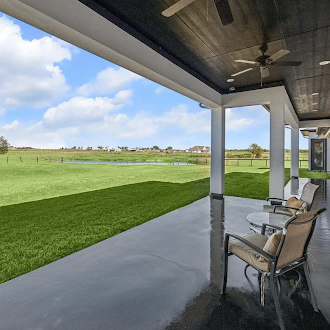
Structured clinical time is essential. So is unstructured time. Houston Mental Health’s daily schedule intentionally preserves periods for rest, reflection, journaling, peer connection, and simply being – because recovery cannot happen if a person is constantly performing it. Our common areas, outdoor spaces, and pet-friendly campus are available throughout the day to support informal connection and self-directed downtime.

Alongside individual and group therapy, each patient’s personalized treatment plan may incorporate one or more of the following modalities at scheduled points in the week:
To see the spaces where these therapies take place, visit our Virtual Tour page. To learn more about each modality in depth, explore our Therapy Modalities page.
Every person who enters Houston Mental Health – whether for residential treatment, Virtual IOP, or In-Person OP – receives a schedule tailored to their diagnosis and goals. If you want to understand what your specific day might look like before you arrive, our admissions team is happy to walk you through it in detail.
Contact Houston Mental Health at (713) 903-8292 or visit our Contact Us page for a free, confidential assessment to begin your journey toward recovery and renewed hope.
Residential patients at Houston Mental Health participate in several hours of structured clinical programming per day, which includes individual therapy, group therapy, and specialized modality sessions. The precise schedule varies based on each patient’s personalized treatment plan, the phase of treatment, and clinical recommendations from the treatment team. Our goal is sufficient clinical intensity to drive meaningful progress while preserving rest and recovery time. Your admissions specialist can provide a more specific breakdown based on your clinical presentation.
Phone and communication policies during residential treatment are designed to support clinical focus while maintaining important personal connections. Family contact is actively encouraged when it supports the patient’s recovery, and Family Therapy sessions are part of the residential program. Visit our Family Resources page for more information about family involvement during treatment.
No. While all residential patients share certain elements of the daily structure – community meals, scheduled group therapy, and overnight staffing – individual schedules are shaped by each patient’s personalized treatment plan. The specific therapies included, the frequency of individual sessions, and the specialized modalities assigned all vary by patient. Your clinical team builds your schedule around your diagnosis, clinical needs, and therapeutic goals at the outset of treatment, and adjusts it as your care progresses.
Residential treatment is the most intensive level of care we offer – patients are immersed in a structured clinical environment 24 hours a day, with programming occupying the majority of the waking day. Virtual IOP is meaningfully intensive but structured to fit around a patient’s home life, typically involving several hours of programming and only on certain days of the week. Our In-Person Outpatient Program is the least intensive, with scheduled clinical sessions on select days. The right level of care depends on your diagnosis, symptom severity, and the degree of structure your recovery requires. Our admissions team can help you assess which level is appropriate.
Discharge planning at Houston Mental Health begins well before your last day in residential care. Your clinical team works with you to develop a concrete continuing care plan that may include a step-down to Virtual IOP, a transition to our In-Person Outpatient Program, a connection with community-based providers, and enrollment in our alumni program. The goal is to ensure that the progress made in residential treatment is reinforced and built upon – not abandoned the moment you walk out the door. Visit our Alumni Program page to learn more about post-discharge support.