Key Takeaways
- Stress shows up on your skin. Anxiety rashes are real physical reactions, not imagined ones. When your brain senses emotional pressure, it releases cortisol and adrenaline—weakening the skin barrier and widening blood vessels—which triggers redness, itching, and hives without any allergy or infection.
- Some people are more prone than others. Genetics and a history of anxiety make certain nervous systems react faster and more intensely. Chronic stress also creates a cycle where skin problems fuel more stress, worsening flare-ups over time.
- Managing stress calms your skin. Deep breathing, exercise, sleep, hydration, and therapies like CBT and mindfulness lower cortisol and break the stress-skin cycle long term.
Have you ever noticed red, itchy patches on your skin after a stressful day? You are not alone. Many people experience an anxiety rash without even realizing that their emotions are the root cause. Stress does not just live in your head — it shows up on your body too. Your skin is one of the first places where emotional pressure becomes visible. Understanding this connection can help you take better care of both your mind and your skin.
What Is an Anxiety Rash and Why Does It Happen?
An anxiety rash is a skin reaction that happens because of emotional stress or anxiety. It often looks like red, raised, and itchy bumps that appear without any clear physical cause. These rashes can show up on your chest, arms, neck, or even your face. They are not caused by an allergy or infection. Instead, your own nervous system triggers them when it feels overwhelmed.
The Mind-Body Connection Behind Stress Hives
Your brain and skin are more connected than most people think. When you feel stressed or anxious, your brain sends out chemical signals that affect your whole body — including your skin. Stress hives are a direct result of this connection. The brain tells your immune system that there is danger, and your skin reacts by becoming inflamed, itchy, or bumpy. This is not imaginary. It is a real physical response to emotional pressure.
The Science of Stress-Induced Skin Reactions
Stress affects your body in deep biological ways. When your brain senses a threat — whether real or emotional — it triggers a chain reaction that reaches your skin. This is why stress-induced hives can appear even when nothing has physically touched your skin.
How Cortisol and Adrenaline Affect Your Skin
When you are stressed, your body releases two main hormones: cortisol and adrenaline. Cortisol weakens the skin’s natural barrier, making it more sensitive and reactive. Adrenaline causes blood vessels to widen, which leads to redness and swelling. Together, these hormones create the perfect conditions for a psychosomatic rash to appear. Your skin becomes a mirror of what is happening inside your nervous system.
Why Some People Develop Nervous Rash More Easily
Not everyone reacts to stress in the same way. Some people are simply more sensitive to hormonal changes caused by anxiety. People with a history of anxiety symptoms like panic attacks or chronic worry tend to develop a nervous rash more easily. Genetics also play a role. If your family members have sensitive skin or anxiety disorders, you may be more likely to experience skin reactions during stressful times.
Recognizing Anxiety Skin Conditions in Your Daily Life
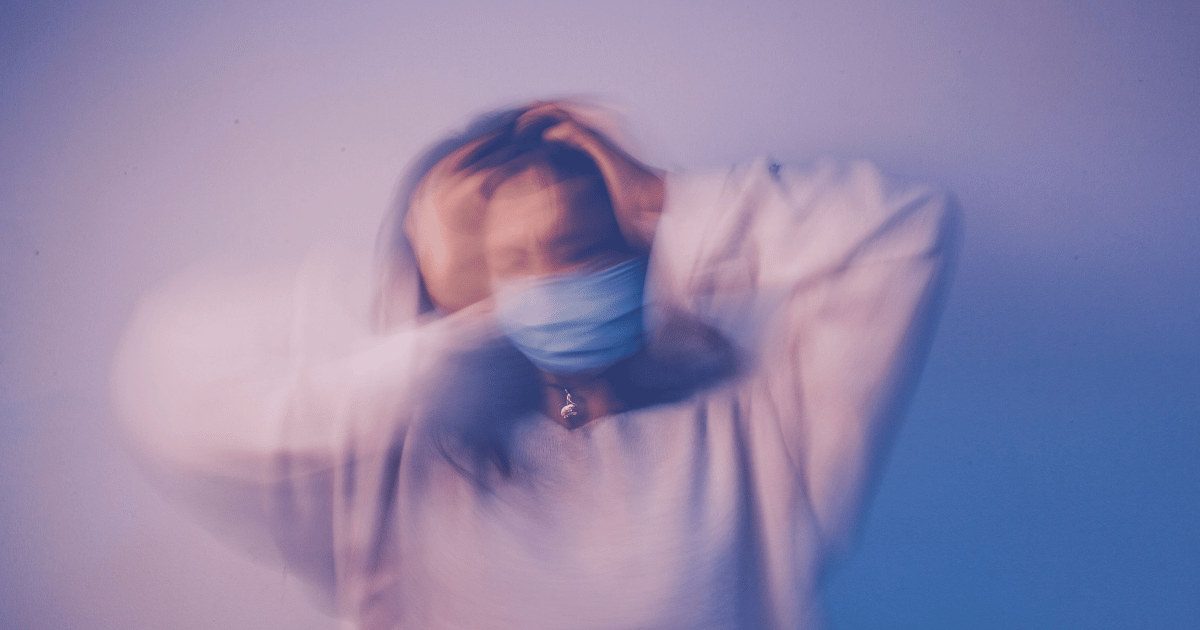
Anxiety skin conditions can be easy to miss or confuse with other issues. Knowing what to look for helps you respond faster. Here are common signs that stress may be affecting your skin:
- Sudden red or pink patches that appear without an obvious cause.
- Raised bumps or welts that move around or change shape.
- Intense itching that gets worse when you feel nervous or overwhelmed.
- Skin flare-ups that happen during or after stressful events like exams or arguments.
- Rashes that disappear on their own once you calm down or rest.
If your skin reacts this way often, emotional stress may be the trigger rather than a physical allergen.
The Link Between Emotional Stress and Skin Health
Your skin is directly influenced by your emotional state. When you carry stress for a long time, your skin pays the price. Skin reactions to emotional stress are more common than most people realize. Chronic stress disrupts hormones, weakens the immune system, and reduces the skin’s ability to repair itself. This creates a cycle where stress makes your skin worse, and skin problems create more stress.
Inflammation as Your Body’s Stress Response
According to the American Academy of Dermatology, stress causes the body to release inflammatory chemicals that directly affect the skin. Inflammation is your body’s way of trying to protect you, but when it is triggered too often, it leads to rashes, redness, and flare-ups of existing skin conditions like eczema or psoriasis. Managing stress is one of the most powerful tools for reducing skin inflammation over time.
Practical Strategies to Stop Stress Dermatitis Before It Starts
Stress dermatitis can often be prevented when you take action early. Building healthy habits around stress management protects both your mental health and your skin.
| Strategy | How It Helps |
| Deep breathing exercises | Lowers cortisol and calms the nervous system quickly |
| Regular physical exercise | Reduces stress hormones and boosts mood-lifting endorphins |
| Adequate sleep (7–9 hours) | Gives skin time to repair and rebalance |
| Staying hydrated | Maintains skin barrier and reduces sensitivity |
| Journaling or talking it out | Releases emotional pressure before it builds up physically |
Immediate Relief Techniques for Psychosomatic Rash
When a psychosomatic rash appears suddenly, act fast. Apply a cool, damp cloth to the affected area to reduce heat and itching. Use a fragrance-free moisturizer to calm irritation. Try slow, deep breathing — inhale for four counts, hold for four, exhale for four. This technique activates your parasympathetic nervous system and tells your body it is safe to relax. Avoid scratching, as this worsens inflammation.
Long-Term Solutions for Managing Stress-Induced Hives
Managing stress-induced hives over the long term requires a consistent approach to mental and physical wellness. Therapy, especially Cognitive Behavioral Therapy (CBT), teaches you to recognize and change the thought patterns that trigger your stress response. Mindfulness meditation practiced daily can lower baseline cortisol levels significantly.
According to the National Institute of Mental Health, untreated anxiety can worsen physical symptoms over time, including skin conditions. Building a strong support network, reducing caffeine, and setting healthy boundaries in your daily life also help break the cycle of stress-triggered skin reactions
Getting Professional Support at Houston Mental Health
If stress and anxiety are affecting your skin and your quality of life, you do not have to face it alone. At Houston Mental Health, our compassionate team is ready to help you understand and manage the emotional roots of your symptoms.
Whether you are dealing with chronic anxiety, skin-related stress responses, or simply feeling overwhelmed, we offer personalized mental health support designed around your needs. Reaching out is a brave and important first step. Contact us today and start your journey toward calmer skin and a healthier mind. Visit us today and let us help you feel better — inside and out.
FAQs
-
Can stress dermatitis appear suddenly without warning on your body?
Yes, stress dermatitis can appear without any physical warning signs at all. Your nervous system triggers a rapid skin reaction during sudden emotional stress. It may vanish just as quickly once the stressful moment passes completely.
-
Why does emotional stress trigger hives faster in some people than others?
Genetics and anxiety history make some people more sensitive to stress hormones. People with existing anxiety disorders tend to react more quickly than others. Their nervous systems are already in a heightened state of alert daily.
-
How quickly can psychosomatic rash develop after a stressful event?
A psychosomatic rash can appear within minutes of experiencing intense emotional stress. The brain releases chemicals almost immediately when it senses emotional danger nearby. Some people notice skin changes before they even feel consciously stressed.
-
What’s the difference between anxiety rash and other common skin conditions?
An anxiety rash appears and disappears based on your emotional state and stress. Allergic rashes are triggered by physical substances like food or pollen instead. A dermatologist can help confirm the difference through observation and your history.
-
Does reducing cortisol levels actually help clear stress-induced hives permanently?
Yes, lowering cortisol through therapy and lifestyle changes reduces hive frequency significantly. When your nervous system stays calmer, your skin has fewer reasons to react. Consistent stress management is the most effective long-term solution available today.
References
- American Academy of Dermatology — Stress and skin inflammation.
- National Institute of Mental Health (NIMH) — Untreated anxiety and worsening physical symptoms.