Central Nervous System Disorders: Causes, Symptoms, and Treatment Options
Key Takeaways
- The central nervous system — your brain and spinal cord — controls thought, movement, sensation, and nearly everything your body does.
- Central nervous system disorders range from stroke and traumatic injury to neurodegenerative diseases like Parkinson’s, MS, and Alzheimer’s.
- Causes include genetics, injury, infection, vascular problems, and lifestyle and environmental factors.
- Unlike peripheral nerves, damaged central nervous system tissue has very limited ability to regenerate, so early care and rehabilitation matter greatly.
- Certain symptoms — like sudden weakness, confusion, or a severe headache — are medical emergencies requiring immediate attention.
Every thought you think, step you take, and word you speak begins in your central nervous system. This remarkable command center — your brain and spinal cord — coordinates the entire body, so when something goes wrong within it, the effects can be profound. Central nervous system disorders affect millions of people and take many forms, but understanding their causes, symptoms, and treatment options can help you protect your health and know when to seek help.
This guide offers an educational overview; it is not a substitute for medical advice, and some neurological symptoms require urgent care. If you or someone near you shows sudden signs like face drooping, arm weakness, or slurred speech, call 911 immediately — these can indicate a stroke, where every minute counts.
What Are Central Nervous System Disorders?
The central nervous system (CNS) consists of the brain and the spinal cord, working together to process information and control the body. Central nervous system disorders are conditions that damage or disrupt this system, and they cover a wide range: strokes, traumatic brain and spinal cord injuries, neurodegenerative diseases (such as Alzheimer’s and Parkinson’s), multiple sclerosis, epilepsy, infections like meningitis, and tumors. Because the CNS touches every function of the body, these conditions can affect movement, sensation, thinking, mood, and more.
How Brain Function and Spinal Cord Health Interconnect
The brain and spinal cord operate as one integrated unit. Brain function governs higher processes — reasoning, emotion, memory, and voluntary movement — while the spinal cord serves as the great highway carrying signals between the brain and the rest of the body. When the spinal cord is injured, messages cannot travel past the damage, which is why spinal cord injuries can cause paralysis below the injury site. Because the two are so interconnected, a problem in one almost always affects the other.
Primary Causes of Neurological Disorders
Neurological disorders arise from many different sources. Common causes include trauma (head or spinal injury), interrupted blood flow (stroke), infections, autoimmune attacks (as in MS), degeneration of nerve cells (as in Alzheimer’s and Parkinson’s), tumors, and toxins. Often, a mix of genetic vulnerability and environmental factors is at play.
Genetic Factors and Inherited Conditions
Genetics play a significant role in many neurological conditions. Some disorders, like Huntington’s disease, are directly inherited through a single gene. Others — including many cases of Parkinson’s, Alzheimer’s, and multiple sclerosis — involve genetic predispositions that raise risk without guaranteeing the disease. Having a family history does not mean you will develop a condition, but it can be valuable information to share with your doctor, especially if symptoms appear.
Environmental Triggers and Lifestyle Contributors
Environment and lifestyle also shape CNS health. Head injuries, exposure to toxins, infections, and cardiovascular risk factors (high blood pressure, diabetes, smoking, and high cholesterol) can all increase the likelihood of neurological problems, particularly stroke. The encouraging flip side is that many of these factors are modifiable — meaning everyday choices can meaningfully protect your brain.
Recognizing Neurological Symptoms in Daily Life
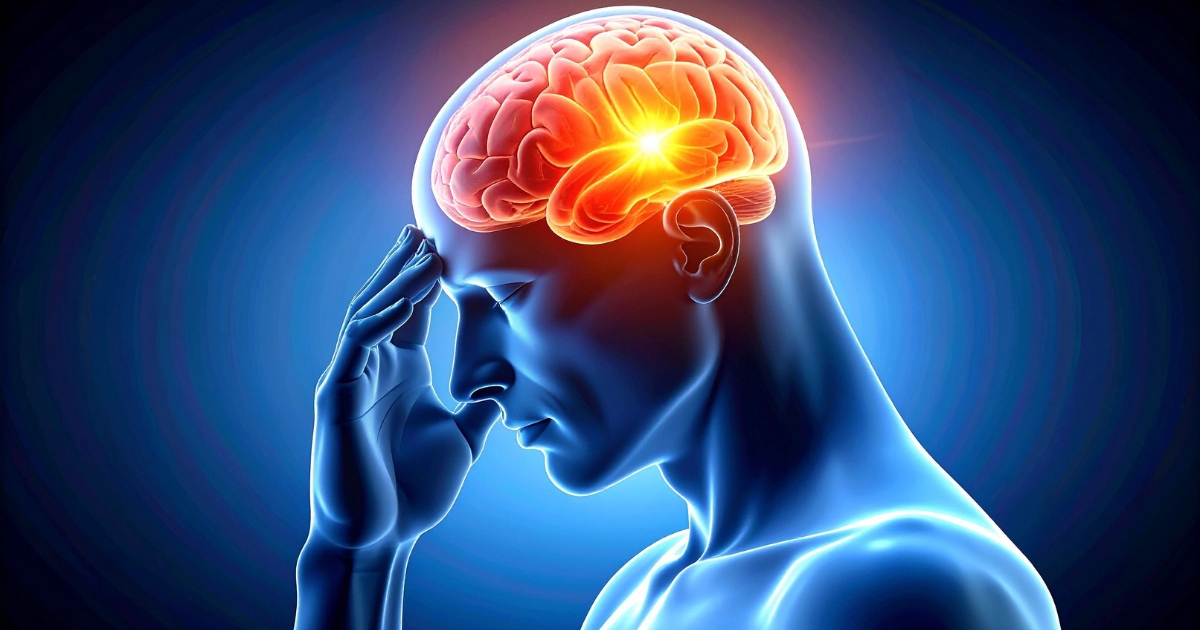
Neurological symptoms vary widely depending on which part of the CNS is affected, but there are patterns worth knowing. Common signs include persistent or severe headaches, dizziness or balance problems, numbness or tingling, muscle weakness, tremors, memory or concentration difficulties, vision or speech changes, and mood shifts. The key is to notice changes from your normal baseline and take persistent or worsening symptoms seriously.
The Role of Neurotransmitters in Nervous System Health
Much of the CNS runs on chemistry. Neurotransmitters are the brain’s chemical messengers, ferrying signals from one nerve cell to the next across tiny gaps called synapses. Familiar examples include dopamine (movement, motivation, and reward), serotonin (mood), acetylcholine (memory and muscle control), and glutamate and GABA (which speed up or calm brain activity). When neurotransmitter systems are disrupted, the effects can range from movement disorders to changes in mood, memory, and thinking.
Chemical Messengers and Neural Pathways
These chemical messengers travel along neural pathways — the vast networks of interconnected neurons that carry information throughout the brain and body. Think of them as well-worn routes: the more a pathway is used, the stronger it becomes, a property called neuroplasticity. This same adaptability is what allows the brain to learn, form memories, and — importantly — sometimes reroute functions around damaged areas after injury, a cornerstone of neurological rehabilitation.
Nerve Damage: Types, Progression, and Outcomes
One crucial fact about the CNS sets it apart: nerve damage there is far harder to repair than in the rest of the body. While peripheral nerves (those outside the brain and spinal cord) can often regenerate after injury, the neurons of the adult brain and spinal cord have very limited ability to regrow. This is why injuries like stroke and spinal cord trauma can cause lasting deficits. Outcomes depend heavily on the type and severity of damage, how quickly treatment begins, and the brain’s capacity to adapt around the injury through neuroplasticity.
Treatment Options for Neurological Conditions
Treatment for CNS conditions is highly individualized and depends on the specific diagnosis. Most treatment plans combine several approaches, delivered by a team that may include neurologists, therapists, and mental health professionals.
Medication-Based Approaches
Medications play a central role in many CNS conditions. Depending on the diagnosis, they might replace a missing neurotransmitter (as levodopa does for Parkinson’s), control seizures, modify the course of a disease (as disease-modifying therapies do for MS), reduce inflammation, ease pain, or manage symptoms like spasticity or mood changes. Because CNS medications are powerful and highly specific, they must always be prescribed and monitored by a physician.
Therapeutic and Rehabilitative Strategies
Beyond medication, therapy and rehabilitation are often essential — especially after injury. Physical therapy rebuilds strength and mobility, occupational therapy restores daily-living skills, and speech therapy addresses communication and swallowing. These approaches harness neuroplasticity to help the brain and body compensate for lost function. Just as importantly, mental health support helps people cope with the emotional impact of a neurological condition, which is often significant.
Managing Brain Health and Prevention Strategies
While not every CNS disorder is preventable, protecting your brain health lowers risk and supports resilience. Research consistently points to a familiar set of habits: regular physical activity, a nutritious diet, good sleep, and managing cardiovascular risk factors like blood pressure and blood sugar. Staying mentally and socially engaged, limiting alcohol, avoiding smoking, and protecting your head from injury all help too. Chronic stress also affects the brain, so managing it is a genuine part of brain care.
Getting Professional Support at Houston Mental Health
The brain sits at the intersection of neurological and mental health — and living with a CNS condition often brings depression, anxiety, or emotional strain, just as mental health conditions themselves are rooted in brain function. While neurological diseases require care from a physician or neurologist, the emotional side deserves attention too.
At Houston Mental Health, our compassionate team provides evidence-based care for the depression, anxiety, and emotional challenges that can accompany brain-based conditions, or arise on their own. If you are struggling with your mental health, contact Houston Mental Health to find support tailored to you.

FAQs
How do neurotransmitters affect communication between brain and spinal cord?
Neurotransmitters are the chemical signals that allow nerve cells to “talk” to one another across the gaps between them. Within the brain and along the spinal cord, they relay messages that control movement, sensation, mood, and reflexes — for example, signaling a muscle to contract or passing along a pain sensation. When these chemical messengers are in short supply or out of balance, communication falters, which can produce symptoms ranging from movement problems to changes in mood or thinking.
Can nerve damage reverse after injury to the central nervous system?
Usually only partially, and it depends on the injury. Unlike peripheral nerves, the neurons of the adult brain and spinal cord have very limited ability to regenerate, so significant CNS damage — from a stroke or spinal cord injury, for instance — often causes lasting effects. However, recovery is still possible through neuroplasticity, the brain’s ability to reorganize and reroute functions around damaged areas. Prompt treatment and dedicated rehabilitation can meaningfully improve outcomes, even if the original nerve tissue does not fully heal.
What lifestyle changes most effectively support long-term brain health and prevention?
The habits that protect your heart also protect your brain. Regular exercise, a balanced diet rich in vegetables and healthy fats, quality sleep, and keeping blood pressure, blood sugar, and cholesterol in healthy ranges are among the most effective steps. No single change is a guarantee, but together these habits meaningfully lower risk and support long-term brain health.
How do genetic factors increase risk for developing neurological disorders?
Genes can influence neurological risk in different ways. A few conditions, like Huntington’s disease, are caused directly by a specific inherited gene, meaning the disorder is passed down predictably. Far more often, genetics contribute a predisposition — small variations that modestly raise the odds of developing a condition like Parkinson’s, Alzheimer’s, or MS, usually in combination with environmental and lifestyle factors. Knowing your family history helps you and your doctor watch for early signs and make informed choices.
Which neurological symptoms warrant immediate professional medical evaluation and care?
Certain symptoms are medical emergencies and require calling 911 right away: sudden numbness or weakness (especially on one side of the body), sudden confusion or trouble speaking, sudden vision loss, a sudden severe “worst-ever” headache, loss of consciousness, or a first-time seizure. These can signal a stroke or another serious CNS event where fast treatment saves function and lives. For non-emergency but persistent or worsening symptoms — ongoing headaches, numbness, memory changes, or balance problems — see a doctor promptly for evaluation.
This article is for educational purposes only and is not a substitute for professional medical advice, diagnosis, or treatment. Always consult a qualified physician or neurologist about any neurological symptoms or conditions. If you notice sudden weakness, numbness, confusion, difficulty speaking, vision loss, a severe sudden headache, or signs of a stroke, call 911 immediately.
References
1. Cleveland Clinic. Central Nervous System (CNS). https://my.clevelandclinic.org/health/body/central-nervous-system-cns
2. National Institute of Neurological Disorders and Stroke (NINDS). Neurological Disorders. https://www.ninds.nih.gov/health-information/disorders
3. National Library of Medicine (PMC). Regeneration of Axons in the Adult Central Nervous System. https://www.ncbi.nlm.nih.gov/pmc/articles/PMC9074815/
4. MedlinePlus (NIH). Neurologic Diseases. https://medlineplus.gov/neurologicdiseases.html