
Nobody wakes up and decides to be anxious. It creeps in slowly – restless nights, a chest tightness that never fully goes away, a brain that refuses to switch off. Before long, severe anxiety is quietly making decisions for you – which plans to cancel, which calls not to answer. If any of that sounds familiar, keep reading. There is a way through this.
What Severe Anxiety Actually Looks Like in Daily Life
Really severe anxiety rarely looks dramatic. It looks like the person who seems fine but has not had a genuinely peaceful day in months. It looks like scrolling at midnight because your brain will not stop. It looks like exhaustion that sleep never actually fixes.
Physical Symptoms That Signal Your Body Is in Crisis Mode
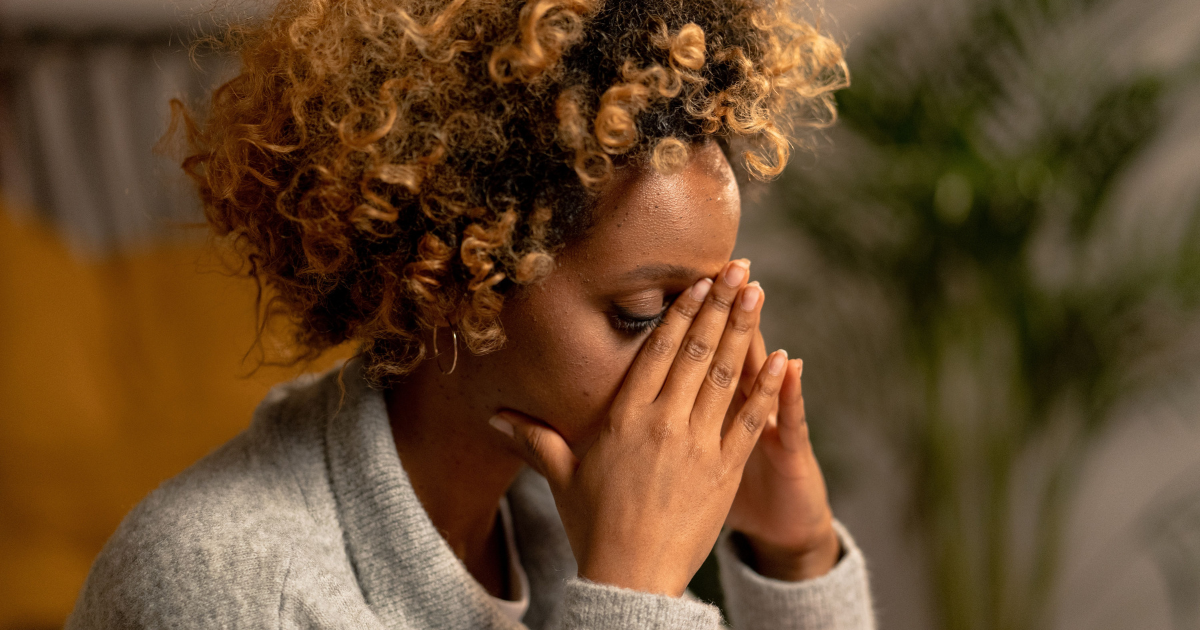
Your body speaks up long before your mind connects the dots. Watch for these severe anxiety symptoms:
- Your heart pounds when nothing physical triggers it.
- Your chest feels heavy and tight throughout most of the day.
- Shaky hands, sudden sweating, or waves of dizziness appear.
- Your stomach is constantly off — nausea, bloating, cramping without reason
- Waking up drained, no matter how long you slept.
- Headaches have quietly become a weekly occurrence.
These are real distress signals. They deserve to be taken seriously.
Emotional and Mental Signs You Cannot Ignore
Severe anxiety reshapes how you think from the inside. Your patience runs thin faster than it used to. Focusing on simple tasks takes real effort. Your mind keeps pulling you toward problems that haven’t happened yet, building detailed cases for why they will.
The Biological and Environmental Triggers Behind Anxiety Attacks
Severe anxiety does not develop because someone is fragile. The brain has a built-in alarm system, and in people with anxiety disorder, that alarm gets stuck in the on position – firing when there is no real threat. Brain chemicals like serotonin that regulate calm fall out of balance, and the whole system stays on edge.
Genetics plays a role, too. Anxiety genuinely runs in families. Add unresolved trauma, financial pressure, or years inside a difficult environment, and the groundwork is laid before anyone realizes it.
According to the National Institute of Mental Health, anxiety disorders affect nearly one in five adults – making them the most common mental health condition in the country.
How Panic Attacks Differ From General Anxiety Disorder
General anxiety disorder is like a low-grade fever that never breaks – a constant unease following you everywhere. Panic attacks are completely different. They arrive suddenly, feel catastrophic, and peak within minutes with zero warning.
Why Your Body Reacts This Way During a Panic Episode
During panic attacks, the brain’s fear center decides you are in serious danger without waiting for evidence. Adrenaline floods in. Your heart slams, and breathing goes shallow. Your hands go numb. Many people believe they are having a heart attack. What is actually happening is a survival response firing at the completely wrong time.
Stress Management Techniques That Actually Work
Honest stress management is not dramatic. It is small habits practiced consistently on good days and bad days alike.
Breathing and Grounding Methods for Immediate Relief
Box breathing actually works. Breathe in for four counts, hold four, breathe out four, hold four. After a few rounds, your nervous system physically responds. The 5-4-3-2-1 method pulls you into the present — five things you see, four you can touch, three sounds you hear. It’s simple but effective for anxiety relief.
Long-Term Coping Mechanisms to Build Resilience
The coping mechanisms worth building are quiet ones. Daily walking, less caffeine, and consistent sleep times all help. Writing thoughts down instead of letting them circle also helps. Spending time with people who feel genuinely calming makes a real difference. The Anxiety and Depression Association of America offers free practical resources built around exactly these habits.
Mental Health Treatment Options for Severe Cases
| Treatment | What It Does |
| Cognitive Behavioral Therapy | Interrupts thought patterns fueling anxiety |
| Medication (SSRIs/SNRIs) | Corrects brain chemistry, keeping anxiety from taking over |
| Exposure Therapy | Builds tolerance to feared situations gradually |
| Group Therapy | Breaks isolation and builds real connection |
Good mental health treatment gets adjusted based on what actually works for the specific person.
Reclaiming Your Life Through Anxiety Relief Strategies
Recovery shows up in small moments first: a full night of sleep, a situation that would have derailed you last year passing without much trouble, saying yes to something you had been avoiding. That is real anxiety relief – not zero worry, just anxiety losing its grip on your daily choices.
Taking the Next Step With Houston Mental Health
If severe anxiety has been steering your life quietly from behind the scenes, real help is closer than you think. At Houston Mental Health, we take the time to understand your specific situation, figure out what is actually driving your anxiety, and build an anxiety treatment plan around your life.
Whether that means therapy, medication support, or a combination of both, we’ll figure it out with you. You have been carrying this long enough. Contact Houston Mental Health today and take the first honest step toward feeling like yourself again.
FAQs
-
Can severe anxiety symptoms worsen without professional mental health treatment?
Without help, severe anxiety quietly takes over more areas of your daily life. Avoidance grows, and mental health drops until ordinary tasks feel genuinely overwhelming every time. Starting anxiety treatment early gives you a stronger and faster path toward real recovery.
-
How quickly do breathing techniques reduce panic attack intensity?
Controlled breathing typically begins easing panic attacks within two to five minutes. It slows your heart and signals your nervous system that danger has genuinely passed now. Practicing these coping mechanisms regularly makes them quicker and more reliable every time.
-
Which anxiety disorder diagnosis requires immediate intervention from a therapist?
Panic disorder, severe PTSD, and agoraphobia all need urgent professional anxiety treatment. These anxiety disorder types worsen fast without real structured therapeutic support behind you. Early mental health care shortens recovery time and prevents symptoms from worsening.
-
What stress management habits prevent anxiety attacks from recurring?
Daily movement, consistent sleep, and less caffeine build the strongest stress management foundation available. Regular journaling and time with calming people reduce how often panic attacks actually return. These coping mechanisms build long-term protection against anxiety when practiced consistently.
-
Does anxiety relief improve when combining medication with coping mechanisms?
Yes, combining both produces stronger and more lasting anxiety relief for most people. Medication creates stability while coping mechanisms build the independence needed for long-term wellness. Most anxiety treatment professionals strongly recommend this combined approach for serious, ongoing anxiety cases.