

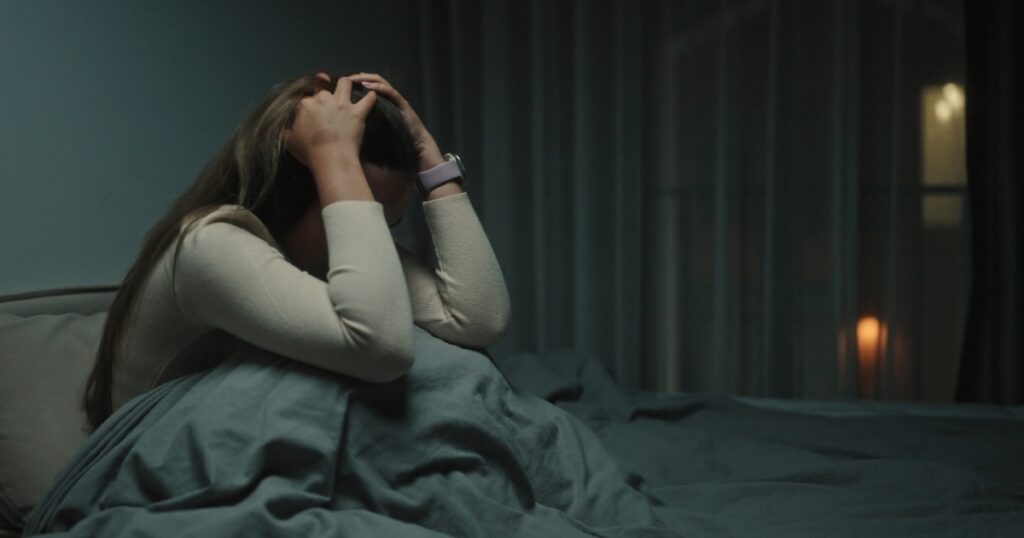
For many people living with anxiety, bedtime becomes the hardest part of the day. The moment your head hits the pillow, racing thoughts take over, your heart pounds, and sleep feels impossible. Adults with anxiety disorders experience chronic sleep difficulties at disproportionately high rates, creating a frustrating cycle: poor sleep worsens anxiety symptoms, and heightened anxiety makes falling asleep even harder.
The good news is that learning how to fall asleep with anxiety is possible with the right techniques. This guide offers a two-tier approach: evidence-based strategies you can use tonight to calm your nervous system, plus guidance on recognizing when professional support can provide lasting relief. Whether you’re in Houston, Sugar Land, The Woodlands, or anywhere across Texas, understanding the anxiety-sleep connection starts with knowing why your brain works against rest—and what you can do about it.
Why Does Anxiety Get Worse at Bedtime and Sabotage Sleep?
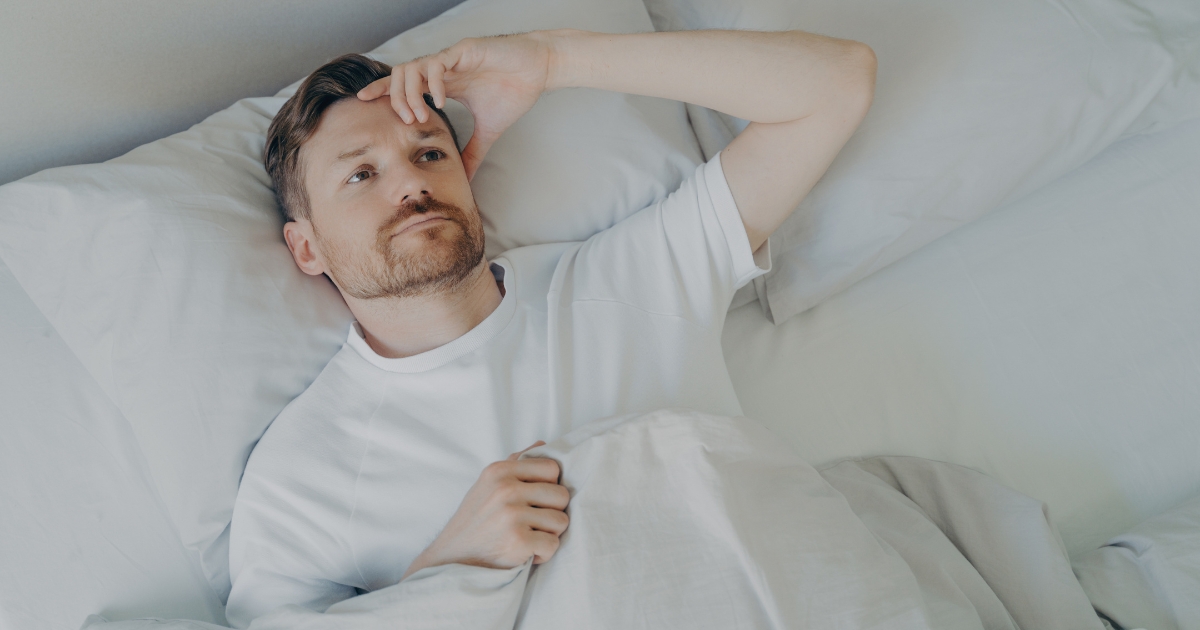
Understanding why anxiety gets worse at bedtime starts with recognizing how your brain’s threat-detection system responds to quiet and darkness. During the day, external stimuli and tasks occupy your attention, providing natural distraction from anxious thoughts. When you lie down in a quiet, dark room, those distractions vanish. Your brain’s default mode network activates, often replaying worries, regrets, and fears without interruption. This is what causes racing thoughts at night and makes learning how to fall asleep with anxiety so challenging for people with anxiety disorders.
| Anxiety-Sleep Barrier | How It Disrupts Sleep |
|---|---|
| Elevated Cortisol Levels | Keeps the body in a state of alertness, preventing the natural drop in body temperature and heart rate needed for sleep |
| Cognitive Hyperarousal | Racing thoughts and worry loops activate the prefrontal cortex, making it difficult to quiet the mind |
| Physical Tension | Muscle tightness, rapid heartbeat, and shallow breathing signal danger to the brain, blocking sleep signals |
| Sleep Deprivation Cycle | Anxiety worsens sleep quality; poor sleep intensifies anxiety symptoms, making it harder to fall asleep the next night |
Evidence-Based Techniques to Calm Anxiety and Fall Asleep Tonight
When you need to know how to fall asleep with anxiety tonight, these clinically validated techniques can help regulate your nervous system and quiet racing thoughts. Each method has research support and can be practiced without special equipment or training.
- 4-7-8 Breathing: Inhale quietly through your nose for four counts, hold your breath for seven counts, then exhale completely through your mouth for eight counts. Repeat this cycle four times. This pattern activates your parasympathetic nervous system, signaling safety to your brain and slowing your heart rate.
- Progressive Muscle Relaxation (PMR): Starting with your toes, tense each muscle group for five seconds, then release completely. Move upward through your calves, thighs, abdomen, chest, arms, and face. PMR reduces physical tension and redirects attention away from anxious thoughts to bodily sensations.
- Cognitive Defusion: Instead of fighting racing thoughts, acknowledge them without judgment. Mentally label each worry as “just a thought” and visualize it floating past like a cloud. This technique, rooted in Acceptance and Commitment Therapy, reduces the power of anxious thinking without requiring you to suppress or challenge every worry.
- The 10-3-2-1-0 Method: Ten hours before bed, stop caffeine. Three hours before, finish eating. Two hours before, end work and stressful tasks. One hour before, turn off screens. Zero is the number of times you hit snooze. This structured wind-down supports natural sleep architecture.
- Bilateral Stimulation: Gently tap alternating knees or shoulders in a slow, rhythmic pattern. This simple technique can calm the nervous system by engaging both brain hemispheres and interrupting anxiety loops.
- Guided Imagery: Visualize a safe, peaceful place in vivid detail—the sounds, smells, colors, and textures. Engaging multiple senses occupies your working memory, creating a mental environment conducive to sleep.
These relaxation techniques for nighttime panic attacks work best when practiced consistently, not just during crisis moments. Building them into your nightly routine trains your nervous system to recognize them as sleep cues. For many people, combining two or three methods—such as breathing exercises followed by progressive muscle relaxation—provides stronger results than relying on a single technique.
Beyond individual techniques, sleep hygiene for people with anxiety disorders requires specific adjustments to standard recommendations:
| Sleep Hygiene Element | Standard Advice | Anxiety-Specific Adjustment |
|---|---|---|
| Bedtime Routine | Keep it consistent | Include a 10-minute calming ritual (breathing, journaling) to signal safety to your nervous system |
| Clock Watching | Not typically addressed | Turn clocks away from view to prevent time-related performance anxiety |
| Staying in Bed | Get up if not asleep in 20 minutes | Critical for anxiety—prevents bed from becoming associated with stress and rumination |
| Pre-Sleep Activities | Avoid screens | Also avoid news, work emails, and difficult conversations that trigger worry spirals |
When Sleep Problems Signal the Need for Professional Anxiety Treatment
Self-help strategies are valuable, but they’re not always enough. Knowing when to seek professional help for sleep problems can prevent months or years of unnecessary suffering. If you’ve consistently practiced good sleep hygiene and relaxation techniques for three to four weeks without improvement, or if your sleep difficulties are affecting your work, relationships, or physical health, it’s time to consult a licensed mental health professional. Professional guidance on how to fall asleep with anxiety often reveals underlying patterns that self-help alone cannot address.
Other red flags include experiencing panic attacks when trying to sleep, or noticing that daytime anxiety is worsening alongside your insomnia. If you are in immediate crisis or experiencing thoughts of self-harm, call or text 988 to reach the Suicide & Crisis Lifeline, available 24/7. These patterns often indicate that anxiety has progressed beyond what self-management can address.
Cognitive Behavioral Therapy for Insomnia and Anxiety
Cognitive behavioral therapy for insomnia (CBT-I) is considered the gold-standard treatment for chronic sleep problems, including those rooted in anxiety. Unlike sleep medications, which provide temporary relief, CBT-I addresses the underlying thought patterns and behaviors that perpetuate sleeplessness. A licensed therapist helps you identify and change beliefs about sleep that increase anxiety—such as “I must get eight hours, or I’ll be a disaster tomorrow”—and implement behavioral strategies like stimulus control and sleep restriction.
When anxiety disorders co-occur with insomnia, therapists often integrate standard CBT techniques for anxiety—such as exposure therapy and cognitive restructuring—with insomnia protocols. This combined approach treats root causes, not just symptoms. Many people see significant improvement within eight to twelve weeks of treatment, with benefits that persist long after therapy ends.
What Outpatient Anxiety Treatment Looks Like
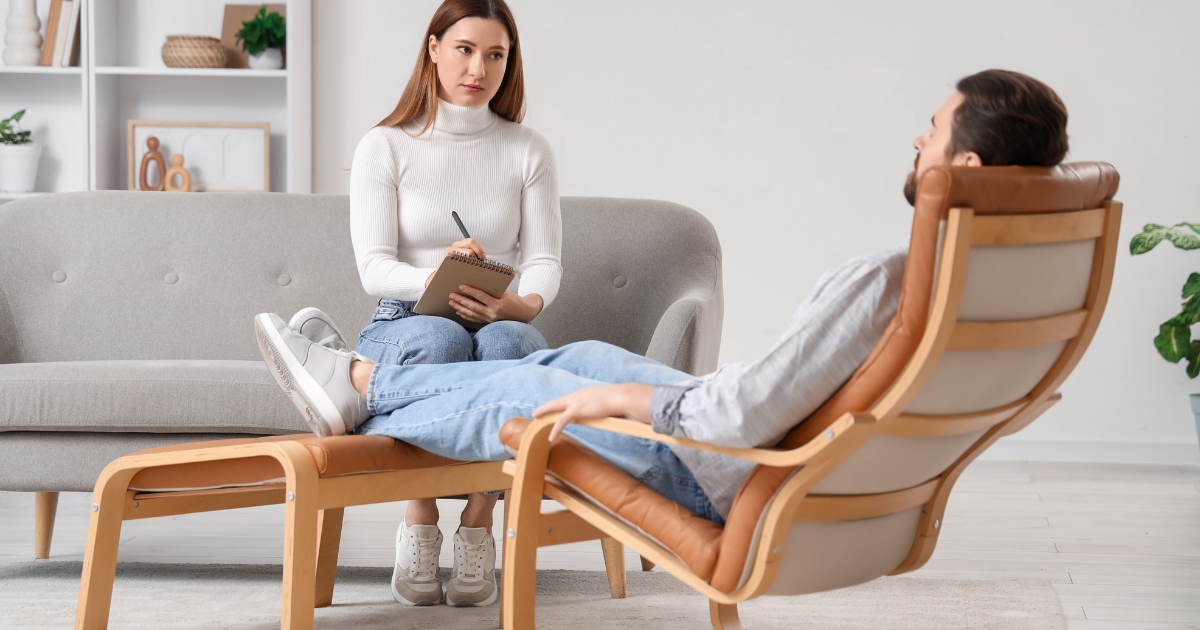
Anxiety treatment programs in Houston and across Texas typically offer multiple levels of care to match your needs. Outpatient therapy allows you to attend sessions while maintaining your daily routine—ideal for people whose anxiety is distressing but not immediately debilitating. Intensive Outpatient Programs (IOP) provide more structured support, with multiple therapy sessions per week, group work, and skills training.
Compassionate Anxiety Care Is Within Reach at Houston Mental Health
Learning how to fall asleep with anxiety is possible, whether through self-guided techniques or professional support. If sleepless nights have become your norm, you don’t have to face this alone. Houston Mental Health offers evidence-based anxiety-induced insomnia treatment from licensed clinicians who understand the complex relationship between anxiety and sleep. With programs ranging from Virtual IOP accessible statewide to residential care, you’ll find the level of support that fits your life. Same-day admissions are available, most major insurance is accepted, and confidential consultations help you take the first step toward restful nights and calmer days. Call (713) 230-8561 or visit the Contact Us page to schedule your consultation today.
FAQs
These answers address the most common questions we hear from people struggling with anxiety and sleep.
1. How long does it take for relaxation techniques to help me fall asleep with anxiety?
Some people notice immediate calming effects when using breathing exercises and learning how to fall asleep with anxiety, while others need consistent practice over two to three weeks before techniques become effective sleep cues.
2. Is my difficulty sleeping just normal worry, or could it be an anxiety disorder?
Occasional sleepless nights before stressful events are normal, but if sleep difficulties occur three or more nights per week for at least three months, and you experience excessive worry that’s hard to control during the day, you may meet criteria for an anxiety disorder. A licensed mental health professional can provide an accurate assessment and discuss whether treatment would help.
3. Are sleep medications safe for people with anxiety, or should I avoid them?
Sleep medications can provide short-term relief but aren’t recommended as a long-term solution for anxiety-related insomnia because they don’t address underlying causes and can create dependency. Cognitive behavioral therapy for insomnia combined with anxiety treatment offers more sustainable results. If medication is appropriate for your situation, a psychiatrist can prescribe options with lower risk profiles and monitor your response closely.
4. Will my insurance cover treatment for anxiety and sleep problems?
Most major insurance plans cover mental health treatment, including therapy for anxiety disorders and insomnia. Coverage varies by plan, so it’s helpful to verify your benefits before your first appointment. Many treatment centers, including those serving Houston and Texas, offer free insurance verification and can explain your out-of-pocket costs upfront.
5. What happens during the first therapy session for anxiety-related sleep issues?
Your first session typically involves a comprehensive assessment where your therapist asks about your anxiety symptoms, sleep patterns, medical history, current stressors, and treatment goals. This conversation helps your clinician understand the full picture and recommend an evidence-based treatment plan tailored to your needs.