
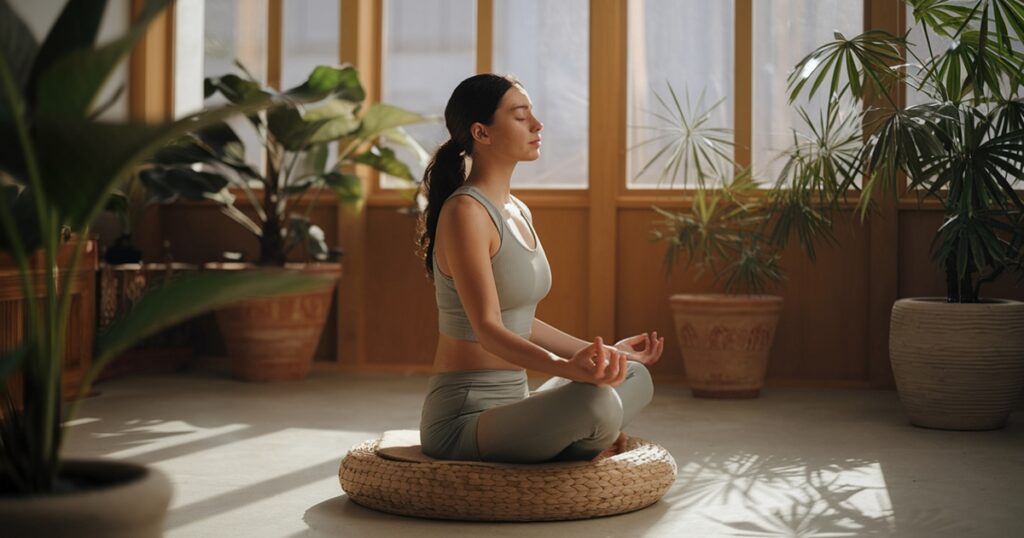
Anxiety can feel like a relentless current pulling you away from the present moment—racing thoughts about tomorrow’s meeting, replaying yesterday’s conversation, or bracing for a future that hasn’t arrived. For millions of adults across Texas, this mental turbulence disrupts sleep, relationships, and daily functioning. While anxiety disorders are among the most common mental health conditions, they’re also among the most treatable, especially when evidence-based approaches like mindfulness meditation for anxiety are integrated with professional care. This practice isn’t about emptying your mind or achieving perfect calm; it’s a clinically validated method that teaches your brain to respond differently to worry and fear.
Research shows that consistent meditation practice creates measurable changes in brain regions responsible for emotional regulation, offering relief that extends far beyond the meditation cushion. Whether you’re experiencing occasional worry or managing a diagnosed anxiety disorder, understanding how this ancient practice intersects with modern neuroscience can open pathways to lasting relief. Licensed clinicians across Houston and throughout Texas now incorporate these techniques into comprehensive treatment plans, recognizing that healing happens when we address both the mind and the brain’s physical architecture.
The Neuroscience Behind Mindfulness Meditation for Anxiety Relief
Chronic anxiety creates a hypervigilant brain state where the amygdala—your brain’s threat-detection center—fires constantly, interpreting neutral situations as dangerous. This overactive alarm system floods your body with stress hormones like cortisol and adrenaline, keeping you in a perpetual state of fight-or-flight.
How Chronic Anxiety Rewires the Brain
Mindfulness meditation for anxiety works by strengthening the prefrontal cortex while calming the amygdala’s reactivity. One study published in Psychiatry Research: Neuroimaging found that participants who completed an eight-week meditation program showed measurable decreases in amygdala volume alongside self-reported reductions in stress. These aren’t temporary states—they’re structural changes that reflect genuine neuroplasticity.
The practice also strengthens connections between the prefrontal cortex and the amygdala, essentially building a stronger “brake pedal” for your anxiety response. When you notice a worried thought during meditation and gently redirect attention to your breath, you’re rehearsing a skill that becomes available during real-world stress. This repeated pattern of noticing, accepting, and redirecting creates new neural pathways that compete with old anxiety circuits.
Evidence-Based Mindfulness Techniques That Calm Anxious Thoughts
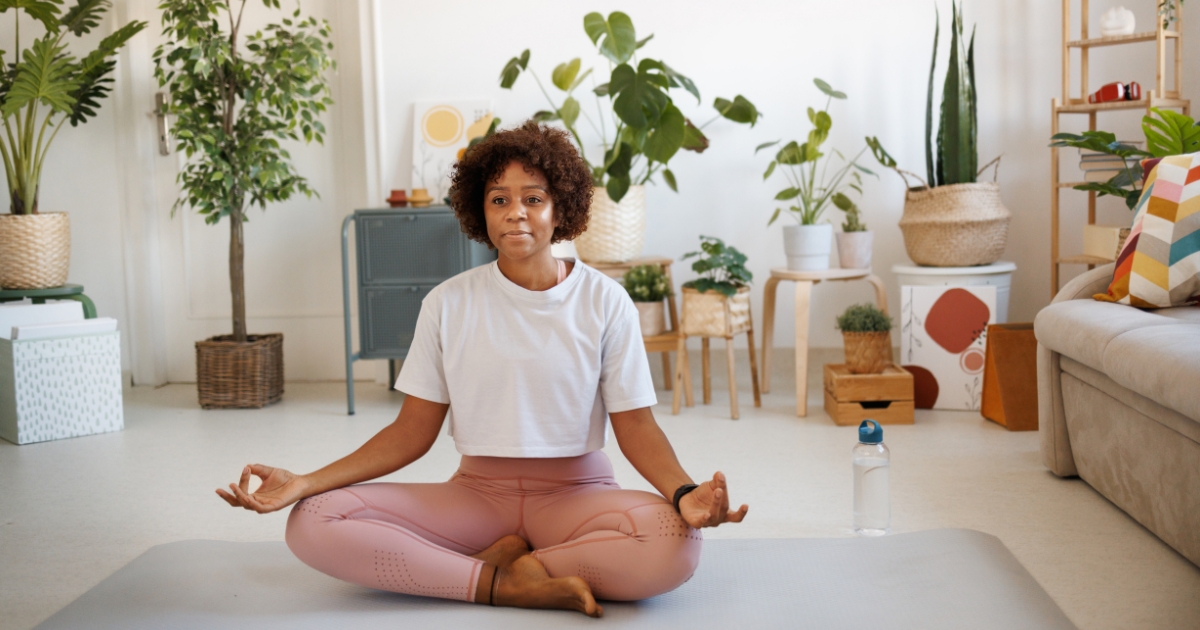
Body scan meditation builds the foundational skill of non-judgmental observation by systematically directing attention through different body parts—from toes to crown—noticing sensations without judgment. Many people discover they’ve been carrying tension in their jaw, shoulders, or stomach for hours without awareness.
Breath-focused meditation techniques offer immediate tools for managing acute anxiety episodes. The 4-7-8 breathing pattern—inhaling for four counts, holding for seven, and exhaling for eight—activates the parasympathetic nervous system, which counteracts the fight-or-flight response. Diaphragmatic breathing, where you breathe deeply into your belly rather than shallowly into your chest, sends signals to your brain that you’re safe. These breathing exercises for panic attacks work because they give your mind something concrete to focus on while physiologically shifting your body out of high-alert mode.
Loving-kindness meditation addresses harsh self-criticism by silently repeating phrases like “May I be safe, may I be peaceful” while cultivating genuine warmth toward yourself, reducing rumination and increasing self-compassion.
| Meditation Type | Primary Focus | Best For |
|---|---|---|
| Body Scan | Physical sensations throughout the body | Recognizing anxiety’s physical manifestations |
| Breath-Focused | Rhythm and sensation of breathing | Acute anxiety and panic episodes |
| Loving-Kindness | Compassionate phrases toward self and others | Self-criticism and rumination |
| Grounding Techniques | Present-moment sensory awareness | Interrupting racing thoughts and dissociation |
Grounding Techniques for Managing Acute Anxiety Episodes
When clients ask, “What are grounding techniques for anxious thoughts?” clinicians teach a menu of options tailored to specific triggers—here are six evidence-based practices:
- 5-4-3-2-1 Sensory Method: Name five things you see, four you can touch, three you hear, two you smell, and one you taste—anchoring awareness in the present moment rather than feared futures
- Progressive Muscle Relaxation: Systematically tense and release muscle groups from feet to face, releasing physical tension while training attention on bodily sensations
- Mindful Walking: Focus on the sensation of each footstep, the rhythm of movement, and the feeling of ground beneath you—especially helpful when sitting meditation feels too activating
- Object Focus: Hold a smooth stone, piece of fabric, or other tactile object, exploring its texture, temperature, and weight with complete attention
- Temperature Shift: Splash cold water on your face, using physical sensation to interrupt panic’s momentum
- Counting Breaths: Count each exhale up to ten, then start over—a simple anchor that occupies the mind’s tendency to race ahead
Integrating Mindfulness with Professional Anxiety Treatment
Mindfulness-based stress reduction therapy represents a structured, eight-week program that combines meditation practices with group support and psychoeducation. Developed by Jon Kabat-Zinn at the University of Massachusetts Medical School, this clinical protocol has been extensively studied for anxiety disorders, with research showing significant symptom reduction that persists months after program completion. Clinicians who incorporate guided meditation techniques for mental health into treatment plans report that patients develop greater awareness of anxiety’s early warning signs, allowing intervention before symptoms escalate.
Many clients ask how meditation reduces stress and worry in practical terms—the answer lies in its ability to interrupt the rumination cycle that keeps anxiety alive between triggering events. When you integrate meditation with cognitive behavioral therapy, you discover how these approaches complement rather than compete with each other. This pairing creates a powerful synergy: CBT teaches you to identify and challenge anxious thought patterns, while mindfulness meditation for anxiety helps you observe thoughts without immediately believing or reacting to them. Licensed therapists across Houston and throughout Texas increasingly incorporate mindfulness exercises into CBT sessions.
When Self-Directed Practice Needs Professional Support
Understanding when to seek professional help for anxiety disorders remains crucial, as meditation alone may not address moderate to severe symptoms. If anxiety interferes with work, relationships, or daily functioning—or if you experience panic attacks, persistent physical symptoms, or thoughts of self-harm—professional evaluation becomes essential. If you or someone you know is in crisis, call or text 988 to reach the Suicide & Crisis Lifeline, available 24/7. Meditation serves as an excellent complement to therapy, but it’s not a substitute for comprehensive psychiatric care when symptoms are severe.
| Treatment Approach | Primary Mechanism | Best Combined With |
|---|---|---|
| Mindfulness Meditation | Increases present-moment awareness and emotional regulation | CBT, therapy |
| Cognitive Behavioral Therapy | Restructures anxious thought patterns | Mindfulness practices, exposure therapy |
| MBSR Programs | Structured meditation training with group support | Individual therapy, ongoing practice |
Start Your Healing Journey with Compassionate Care at Houston Mental Health
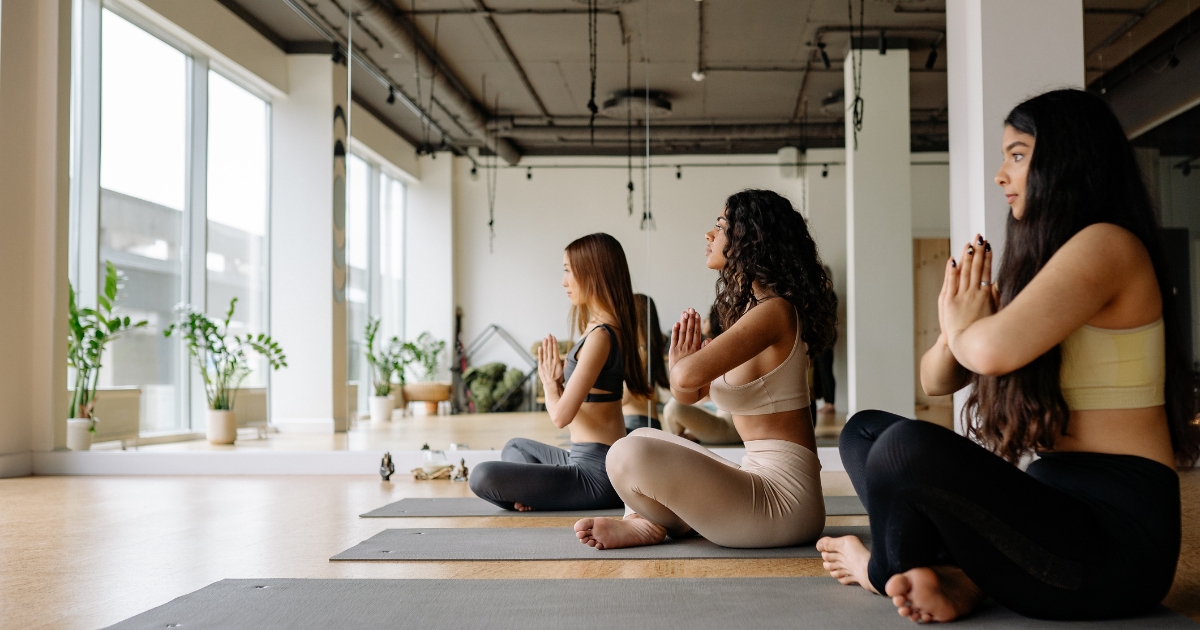
Across Texas, anxiety treatment increasingly integrates mindfulness practices with comprehensive psychiatric care for lasting symptom relief. You don’t have to navigate anxiety alone, and you don’t have to choose between mindfulness meditation for anxiety and professional treatment—the most powerful healing happens when evidence-based practices work together. Houston Mental Health offers comprehensive anxiety treatment that integrates mindfulness techniques with psychiatric expertise, therapy, and personalized care plans designed for lasting relief. Whether you’re seeking residential treatment in our pet-friendly facility, structured support through IOP, or the flexibility of Virtual IOP, we provide 24/7 confidential support with same-day admissions and accept most major insurance plans. Call (713) 230-8561 or visit our Contact Us page to schedule a confidential consultation and take the first step toward the calm, connected life you deserve.
FAQs
These questions address common concerns about starting and maintaining a mindfulness practice for anxiety relief.
1. How long does it take for mindfulness meditation for anxiety to reduce symptoms?
Most people notice subtle improvements within a few weeks of daily mindfulness meditation for anxiety practice, such as better sleep or increased awareness of anxiety triggers. Significant changes in brain structure and anxiety response typically emerge after several weeks to a few months of consistent meditation, though individual results vary based on anxiety severity and practice frequency.
2. Can meditation replace anxiety therapy?
No, mindfulness meditation is a powerful complementary tool but should not replace professional treatment for moderate to severe anxiety disorders.
3. What if my anxious thoughts make it impossible to meditate?
Racing thoughts are completely normal when starting meditation—the practice isn’t about stopping thoughts but changing your relationship with them. Begin with just three to five minutes daily, use guided meditations that provide structure and direction, and remember that noticing your mind wandering is actually successful mindfulness practice.
4. Which type of meditation works best for panic attacks?
Breath-focused techniques and grounding exercises are most effective during acute panic episodes because they activate the parasympathetic nervous system, which counteracts the panic response. Practices like 4-7-8 breathing or body scan meditation help interrupt the panic cycle by redirecting attention to present-moment sensations rather than catastrophic thoughts.
5. How does mindfulness-based stress reduction differ from regular meditation?
MBSR is a structured eight-week program developed by Jon Kabat-Zinn that combines specific meditation techniques with yoga and group discussion, typically guided by trained instructors in a clinical setting. Regular meditation can be self-directed and may include various styles practiced independently, while MBSR follows a clinical protocol with proven effectiveness for anxiety disorders.