How to Calm Down When Anxiety Takes Control: Proven Methods That Work Fast
There can be cases where anxiety attacks can overwhelm both the mind and the body in no time. You will find yourself suddenly being engulfed by anxiety, with your heart beating uncontrollably, your muscles tightened, but you just don’t know how to calm down.
At that very instant, you begin to feel out of control. However, there are a number of ways you could use to get back in control. When stressed to the max, it’s not a way to clear out all the anxious thoughts. This is not about making your mind and body balanced to think clearly and react appropriately.
There are effective ways that you can use to reduce the effects of anxiety on your life and prevent it from dominating your activities, such as anxiety management techniques, including breathing.
Why Anxiety Spirals Happen and How to Stop Them
These thoughts or conditions that bring about anxiety may develop into what is known as an anxiety chain. This will cause your mind to interpret the situation as being dangerous, hence triggering the fight-or-flight reaction. The function of this reaction is to protect you from danger, but sometimes you may be exposed to a situation with no actual danger at all.
It is possible that stress hormones will cause physical manifestations such as faster breathing, faster heart rate, and tense muscles. The experience of these sensations might convince you that something is wrong, thereby adding to your anxiety. There is a vicious cycle whereby anxious thoughts cause physical sensations, which in turn cause anxious thoughts.
To stop an anxiety spiral, you need to break the cycle. Don’t try to suppress the anxiety; first, recognize it, then soothe your nervous system. Any activity can help reduce the momentum and help the person regulate their emotions more effectively – even a small one.
The Physical Symptoms That Signal You’re Losing Control
Many people notice physical symptoms before they recognize they’re becoming anxious. Common signs include:
- Rapid heartbeat
- Shortness of breath
- Sweating
- Muscle tension
- Shaking or trembling
- Dizziness
- Nausea
- Difficulty concentrating
Recognizing these symptoms early allows you to use effective stress relief techniques before anxiety becomes more intense.
Breathing Exercises That Deliver Immediate Relief
Controlled breathing is one of the quickest methods of reducing anxiety. Breathing tends to be shallow and quick when you’re stressed. This activates the brain and triggers the sense of threat. That can be reversed by slowing your breathing to encourage relaxation.
The 4-7-8 Technique for Rapid Calm
The 4-7-8 breathing method is a simple but effective technique that helps slow the body’s stress response.
| Step | Action |
| 1 | Inhale through your nose for 4 seconds |
| 2 | Hold your breath for 7 seconds |
| 3 | Exhale slowly through your mouth for 8 seconds |
| 4 | Repeat 3 to 4 times |
This exercise acts as a way of promoting relaxation due to deep breathing and a reduction in tension within the body. This is commonly used when one goes to sleep, especially when they feel stressed and anxious.
Box Breathing: A Military-Tested Method
The box breathing technique is also another popular technique used by soldiers, athletes, and emergency response professionals. It involves 4 seconds of inhalation, 4 seconds of retention, 4 seconds of exhalation, and 4 seconds of retention.
The rhythmic structure creates a structured and regulated breathing pattern, as well as a focus of your mind. It’s one of the most practical breathing exercises for immediate relief, as it can be performed almost anywhere.
Grounding Techniques to Anchor Yourself in the Present Moment
Since you lose control of your anxiety, your mind will be taken to future events that you fear. The grounding technique is an activity whereby you return your mind to the present, where you regain control.
Among all techniques, the 5-4-3-2-1 Grounding Technique is the perfect technique for grounding yourself. Find five things that you can see, four things that you can touch, three things that you can hear, two things that you can smell, and one thing that you can taste.
A keychain, stone, or coin can also be helpful to carry around. It can be used as a focus during stressful times by thinking about the texture and weight.
The National Institute of Mental Health (NIMH) offers resources that can give guidance and evidence-based information for additional education on anxiety and mental health.
Meditation and Mindfulness Practices for Panic Attack Prevention
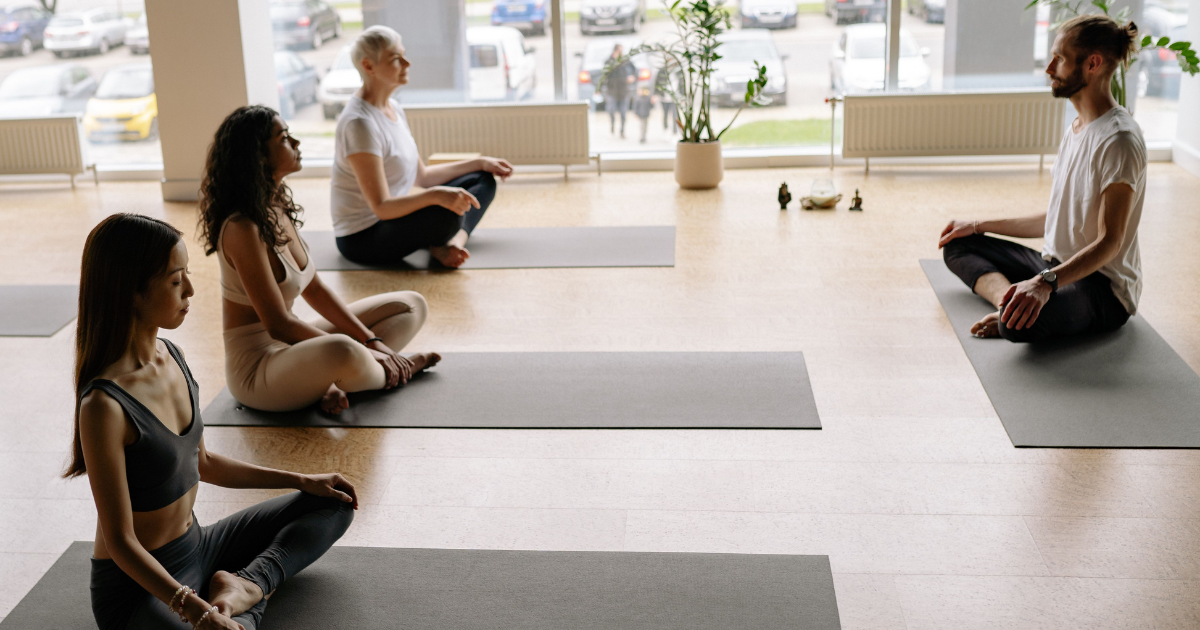
In the long term, practicing meditation and being mindful can aid in reducing anxiety and promoting emotional wellness. This will enable one to become conscious of their thoughts without acting on them.
Contrary to what many believe, meditation does not entail sitting in silence for an extended period of time; in fact, it takes only 10 minutes for one session of meditation to do you good. Meditation does not necessarily require you to clear your head of all your thoughts; rather, it teaches you how your thoughts flow in and out of your head.
Starting a Five-Minute Daily Practice
One easy step to take is to commit to spending 5 minutes daily. Take a seat, relax, and concentrate on breathing. If you lose your focus, direct it back to the breath.
Consistent mindfulness practice will allow you to decrease the number of panic attacks, become more concentrated, and stay calm during stress. Over time, all these benefits might make you realize that anxiety becomes a lot more bearable.
Stress Relief Strategies You Can Use Anywhere
Not all stressful moments happen within the confines of the house and/or in silence. Stress may happen at work, when traveling, and even in social situations. Stress relief gadgets will certainly come in handy.
Progressive Muscle Relaxation for Full-Body Tension Release
Progressive Muscle Relaxation is a technique of tensing and then relaxing various muscle groups in the body. Begin at the bottom and move up to the top.
While releasing each muscle group, notice the difference between tension and relaxation. Can minimize physical stress and raise awareness of the effects of anxiety on the body. This technique can be helpful for many people, both in terms of physical comfort and managing their anxiety levels on a general basis.
The Power of Cold Water Exposure
Another quick way to calm anxiety is by exposure to cold water. Facing the cold water or resting a cold cloth on the skin will trigger calming responses within the body. The rapid drop in temperature distracts from worrying thoughts and helps to calm the nervous system. It is not a permanent solution, but it could be a great instrument when in a state of acute stress.
The Anxiety and Depression Association of America (ADAA) also has educational materials on symptoms and treatment options for people who want to learn more about anxiety.
Emotional Regulation Skills That Build Long-Term Resilience
Although quick relief is useful, there needs to be a focus on building emotional regulation skills for long-term improvements. Emotional Regulation is the ability to understand and react to emotions in healthy and productive ways.
A helpful approach is to be aware of challenging anxious thoughts. Make sure you ask yourself if there is any evidence of the fear or if the anxiety is making the situation more than it is. A helpful question to ask that can help create space from overwhelming emotions is – what do you think you need? Yet another skill is self-compassion.
In most cases, people worry about their lives and blame themselves for their anxieties. This is not the right way of doing things because it increases anxiety. Accept yourself with patience to make tough times easy.
As these skills are acquired, you might be able to bounce back from failures, deal with uncertainty and stay balanced emotionally under difficult circumstances.
Professional Support and Treatment Options at Houston Mental Health
At times, there are cases where things become so serious that professional help is needed. Anxiety may become so serious to such an extent that it begins to affect one’s relationships, career, school, and general life.
The Houston Mental Health Center creates personalized treatment that is specifically created for anxiety disorders, constant stress, and panic attacks. Various methods, such as therapy and coping skills, among others, can be applied to create resilient people. There is no need to question yourself for you to suffer from anxiety all by yourself.
Understanding how to calm down during moments of intense anxiety can help you regain control and prevent stress from taking over your daily life. Contact Houston Mental Health now to find out more about the treatments available and get started on your journey toward better mental health.
FAQs
-
How quickly can breathing exercises reduce panic attack symptoms in the moment?
Often, relief comes in a matter of minutes. Breathing control activities assist in slowing the body’s stress response and bring down the physical responses to stress.
-
Why does cold water exposure trigger a calming response in your nervous system?
Cold water can trigger innate physiological reactions that help to slow down the heart rate and turn one’s focus away from anxious thoughts, which can help to create a sense of calm.
-
Can mindfulness practices prevent anxiety spirals before they start escalating?
Yes. With regular mindfulness practice, there will be a greater awareness of thoughts and feelings of anxiety which will mean that you can respond rather than react before they overwhelm you.
-
What’s the difference between grounding techniques and progressive muscle relaxation for stress relief?
Grounding techniques involve keeping you in the here and now, and progressive muscle relaxation techniques involve turning your attention to your body’s tension. Both of these help to release the stress.
-
How does emotional regulation training help you stay calm during high-stress situations?
Emotional regulation training will enable him or her to be more aware of his/her emotions, challenge any anxious ideas and act logically in stressful situations rather than act impulsively.