
Key Takeaways
- Performance anxiety isn’t a character flaw or lack of skill—it’s your brain’s fight-or-flight response releasing adrenaline and cortisol at the wrong moment, disrupting memory, focus, and creativity when you need them most.
- In-the-moment tools like box breathing and grounding can calm your nervous system quickly, while confidence-building through low-stakes practice and visualization rewires your brain to link performing with safety.
- When coping strategies aren’t enough, evidence-based treatments—CBT, exposure therapy, beta-blockers, and mindfulness—offer lasting relief by targeting the root causes of performance fear.
You have prepared for weeks. You know your material. But the moment arrives, and your mind goes blank. Your hands shake. Your voice cracks. This is what performance anxiety does — it hijacks the very abilities you worked so hard to build. Whether you are a student giving a presentation, a musician stepping onto a stage, or an athlete competing in a big game, this experience can feel defeating and isolating.
The good news is that you are not broken, and you are not alone. Millions of people face this same challenge every day. Understanding why it happens and what you can do about it is the first step toward getting your confidence back.
What Performance Anxiety Really Does to Your Abilities
Performance anxiety does not just make you feel nervous. It actually interferes with how your brain works in high-pressure moments. When anxiety takes over, your brain shifts into survival mode. It stops focusing on skill and starts focusing on threat. This means the parts of your brain responsible for memory, creativity, and clear thinking get pushed aside.
You may forget things you knew perfectly five minutes ago. Your timing falls apart. You second-guess decisions you would normally make without thinking. This is not weakness — it is biology working against you in the wrong moment.
How Stage Fright Sabotages Your Mental Performance
Stage fright sends a flood of stress hormones through your body right before a performance. These hormones prepare your body to fight or run, not to sing, speak, or compete. Your muscles tighten. Your breathing becomes shallow. Your focus narrows in ways that hurt your performance rather than help it. The irony is that the harder you try to control it in the moment, the worse it often gets.
Recognizing the Physical and Emotional Symptoms
Knowing what performance anxiety symptoms look like is important because many people confuse them with personal failure. These symptoms are your body’s alarm system going off at the wrong time, not a sign that you are not good enough.
When Nervousness Crosses Into Panic Attacks
There is a real difference between healthy nervousness and a full panic attack. Here is how to tell them apart:
- Nervousness — Butterflies in the stomach, mild sweating, faster heartbeat before a big moment.
- Panic attacks — Sudden intense fear, chest tightness, difficulty breathing, dizziness, feeling like something terrible is about to happen.
- Duration — Nervousness fades once you start; panic attacks can peak within minutes and feel overwhelming.
- Control — Nervousness is manageable with focus; panic attacks often feel uncontrollable and frightening.
- Physical intensity — Panic attacks can cause numbness, shaking, or a feeling of unreality that nervousness does not.
The Self-Doubt Spiral That Follows
After a rough performance, self-doubt does not quietly disappear. It grows louder. You replay every mistake. You start telling yourself that you are not talented enough or that everyone noticed how badly you did. This negative thinking becomes its own cycle, making the next performance even harder. The fear of repeating the experience builds a wall between you and the thing you love doing.
The Science Behind Your Anxiety Response
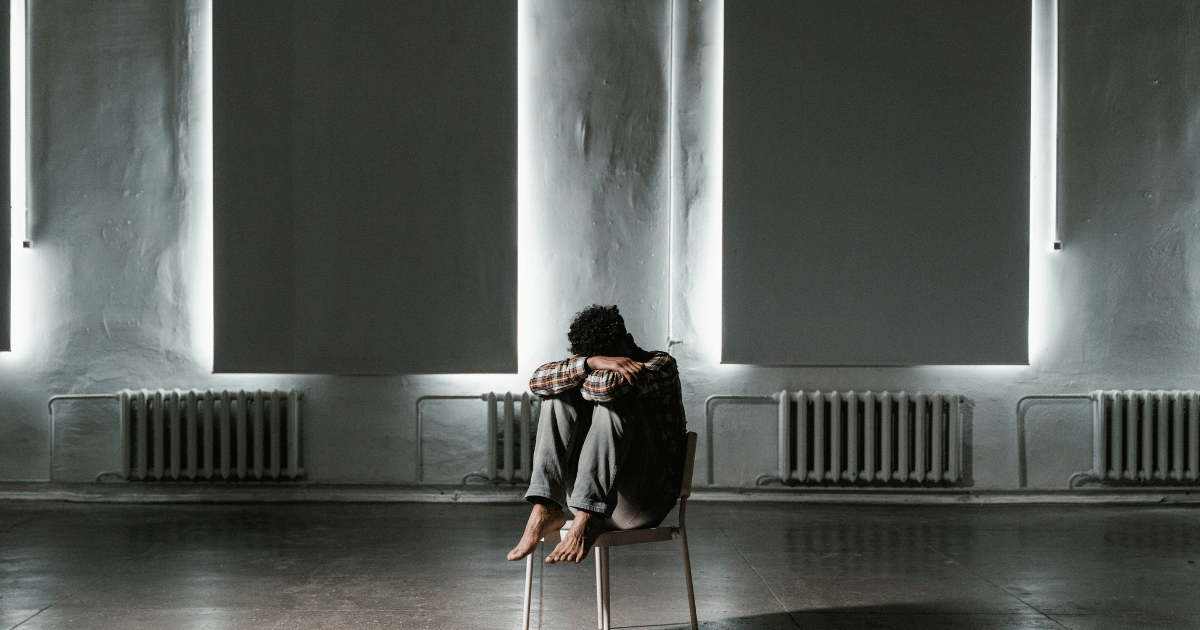
Your body has a built-in stress response called the fight-or-flight reaction. When your brain senses a threat — even a social one like performing in front of others — it releases adrenaline and cortisol.
These chemicals are helpful when you need to react fast in danger. But in a performance setting, they cause your heart to race, your palms to sweat, and your thoughts to scatter.
According to the American Psychological Association, anxiety disorders are among the most common mental health conditions, affecting more than 40 million adults in the United States. Understanding this response helps you see your anxiety as a normal human experience rather than a personal flaw.
Practical Coping Strategies That Actually Work
Building a toolkit of coping strategies gives you real options when anxiety rises. Some techniques work before a performance, some work during, and some help you recover and reset afterward. The key is practicing them regularly so they feel natural under pressure.
Immediate Techniques for Managing Panic in the Moment
When panic starts to rise, try box breathing: inhale for four counts, hold for four, exhale for four, hold again for four. This signals your nervous system to calm down. Another powerful method is grounding — name five things you can see, four you can touch, three you can hear. This pulls your attention back to the present moment and away from fearful thoughts. These simple tools can shift your body from panic mode back to performance mode within minutes.
Building Confidence From the Ground Up
Confidence building is not about pretending fear does not exist. It is about proving to yourself, through small repeated actions, that you can handle challenging situations. Start by performing in low-stakes environments. Volunteer to speak in small groups. Record yourself and watch it back.
Each positive experience rewires your brain to associate performance with safety rather than danger. Visualization is also powerful — mentally rehearsing a successful performance primes your brain and body for the real thing.
Anxiety Treatment Options for Long-Term Relief
For many people, coping strategies alone are not enough. Anxiety treatment can provide deeper, lasting relief through structured approaches that target the root causes of performance fear.
| Treatment Type | Best For | Typical Duration |
| Cognitive Behavioral Therapy (CBT) | Changing negative thought patterns | 12–20 sessions |
| Exposure Therapy | Gradually facing feared situations | 8–15 sessions |
| Medication (Beta-Blockers) | Reducing physical symptoms quickly | Short-term use |
| Mindfulness-Based Therapy | Building long-term emotional regulation | Ongoing practice |
Professional Support and Therapeutic Approaches
Working with a licensed therapist gives you personalized tools that generic advice cannot offer. The National Institute of Mental Health, offers detailed guidance on evidence-based treatments available for anxiety disorders. A professional can help you identify what is driving your specific anxiety, whether it is past failure, perfectionism, or fear of judgment, and build a treatment plan around your real needs.
Reclaiming Your Performance With Houston Mental Health
Performance anxiety does not have to be permanent. At Houston Mental Health, our compassionate team understands how deeply this struggle affects your life, your career, and your confidence. We offer personalized therapy and evidence-based treatment that meets you exactly where you are.
Whether you are dealing with stage fright, panic attacks, or deep-seated self-doubt, we are here to help you move forward. Take the first step today and reach out to a team that truly cares about your growth.
FAQs
-
Can performance anxiety physically prevent you from doing your best work?
Yes, anxiety releases stress hormones that block clear thinking. These hormones tighten muscles and disrupt your memory recall. Physical symptoms can genuinely interfere with skilled performance ability.
-
How do breathing techniques calm your nervous system during stage fright?
Slow breathing activates the parasympathetic nervous system immediately. This signals your brain that no real danger currently exists. It lowers heart rate and restores your mental focus quickly.
-
Why does self-doubt worsen after a poor performance experience?
The brain links performance settings with the feeling of failure. Negative memories become stronger each time you replay them mentally. This creates a fear cycle that grows harder to break.
-
Which anxiety treatments work fastest for competitive performers and athletes?
Beta-blockers reduce physical symptoms like shaking and a racing heartbeat. Breathing and grounding techniques also provide very fast relief. Short-term therapy sessions can show improvement within just weeks.
-
How long does cognitive behavioral therapy take to reduce performance nervousness?
Most people notice real improvement within eight to twelve sessions. Full treatment typically runs between twelve and twenty structured sessions. Progress depends on consistency, practice, and your therapist’s personalized approach.
References
- American Psychological Association (APA). Anxiety
- National Institute of Mental Health (NIMH). Anxiety Disorders